One of the most helpful things a facilitator does, is to transform how groups feel about the messy, sticky, unfocused middle of meetings. Facilitators often call this the ‘groan zone’. The phase of a meeting when conversations go a bit random, and it feels as if no progress is being made.
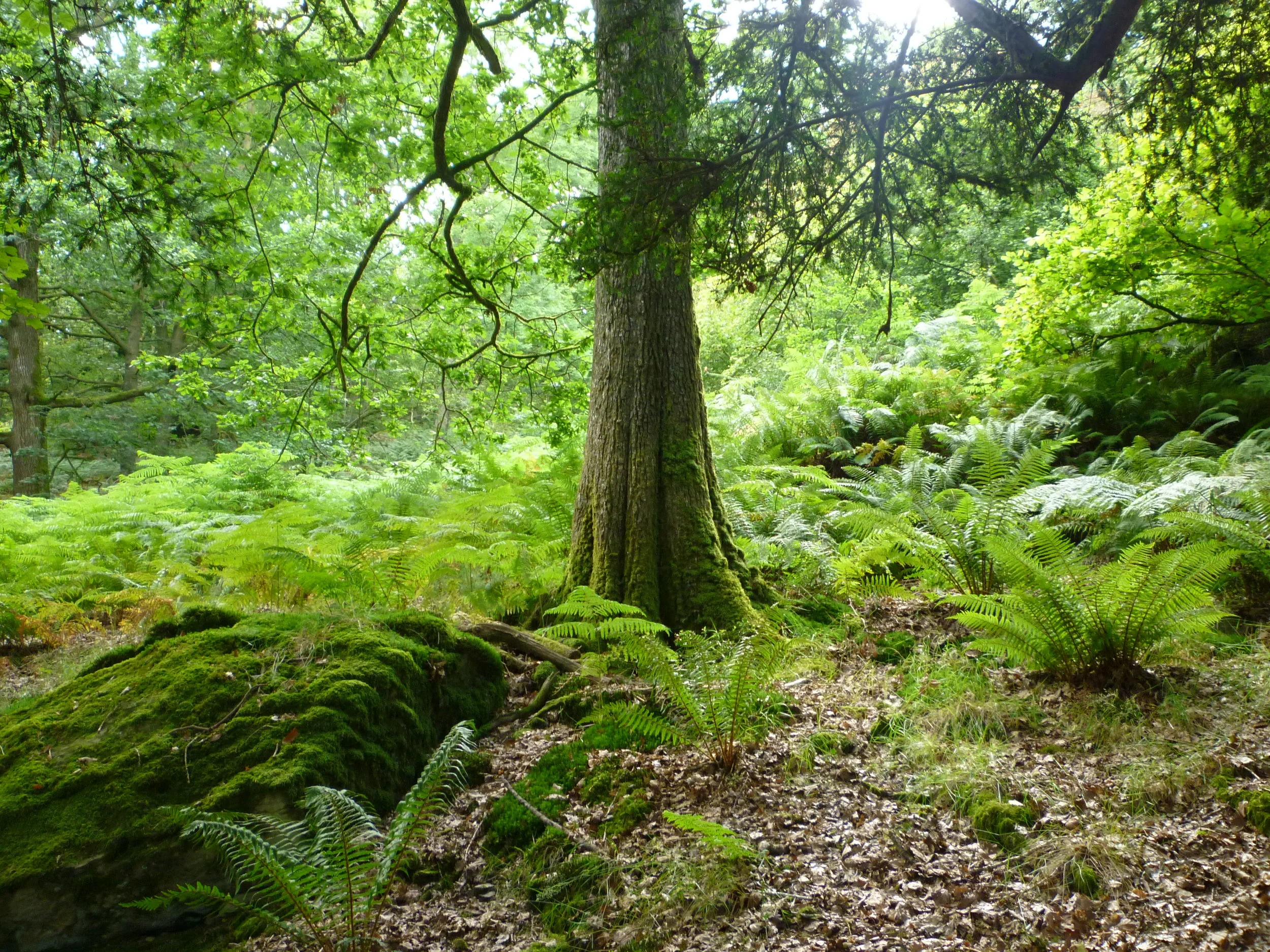
But what if we reframe the groan zone: if we help groups explore and appreciate the wonders of the ‘adventure forest’?
Creating a 'Thinking Environment'
Nancy Kline’s Time to Think was one of the first books I read about coaching, and it has had a profound effect on my work with groups and in one-to-one settings. Kline believes that “everything we do depends for its quality on the thinking we do first. Our thinking depends on the quality of our attention for each other”.
Here’s her guidance on how to create a holistic setting which enables people to do their best thinking.
What might change, when an organisation changes?
When you think about the changes you want to bring about, to make your organisation or sector more sustainable, what do you see changing? Do you have blind spots about where change might happen, and how deep or how obvious it will be?
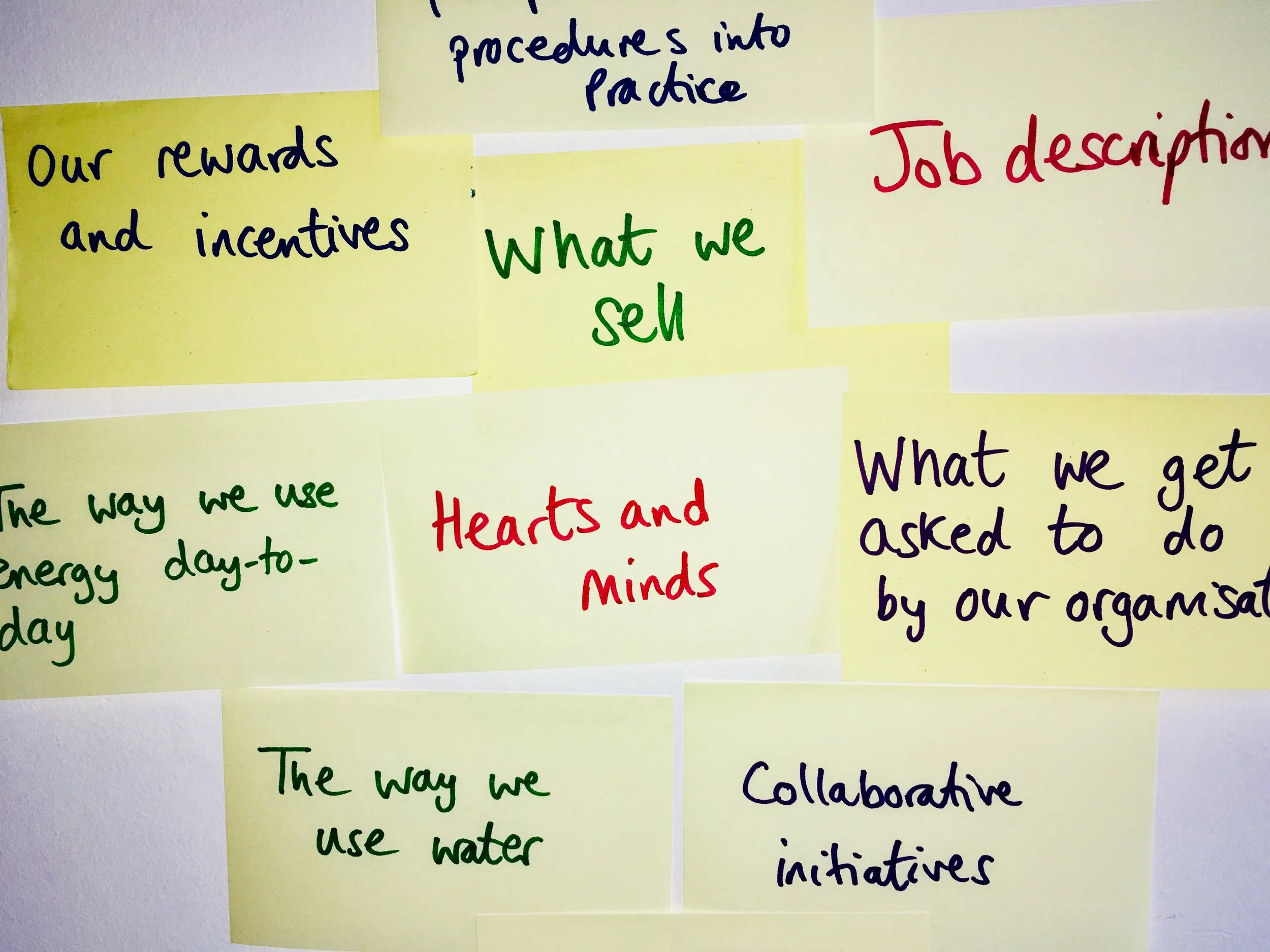
Edgar Schein’s Three Levels of Culture model is a great way of understanding what might change, as an organisation or other entity changes. It’s useful to think very widely about the kinds of things that might change – or need to change – to get us on track for sustainable development.
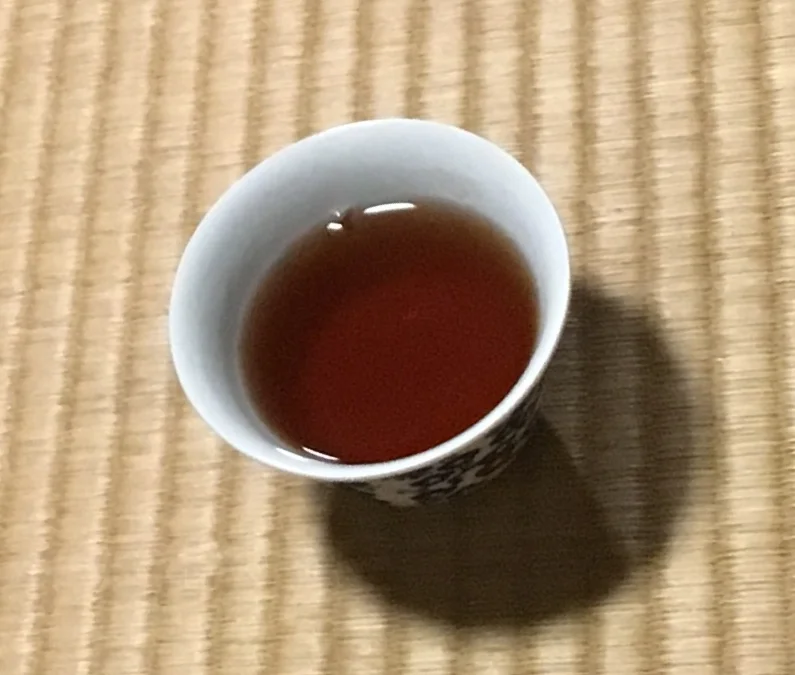
Silence, respect and slow ritual: some observations on facilitation in Japan
In my short visit to Japan, I was privileged to be able to meet with three groups of facilitators: in Kyoto, Osaka and Tokyo. Huge thanks to everyone who helped make this possible! These were evenings of surprising connections, open-hearted curiosity, tolerance of misunderstanding, and delicious food.
This blog post reflects on some observations and conversations about three (and a half) aspects of culture which may trip up an outsider coming to facilitate in Japan.
Everyday eco-living in Japan
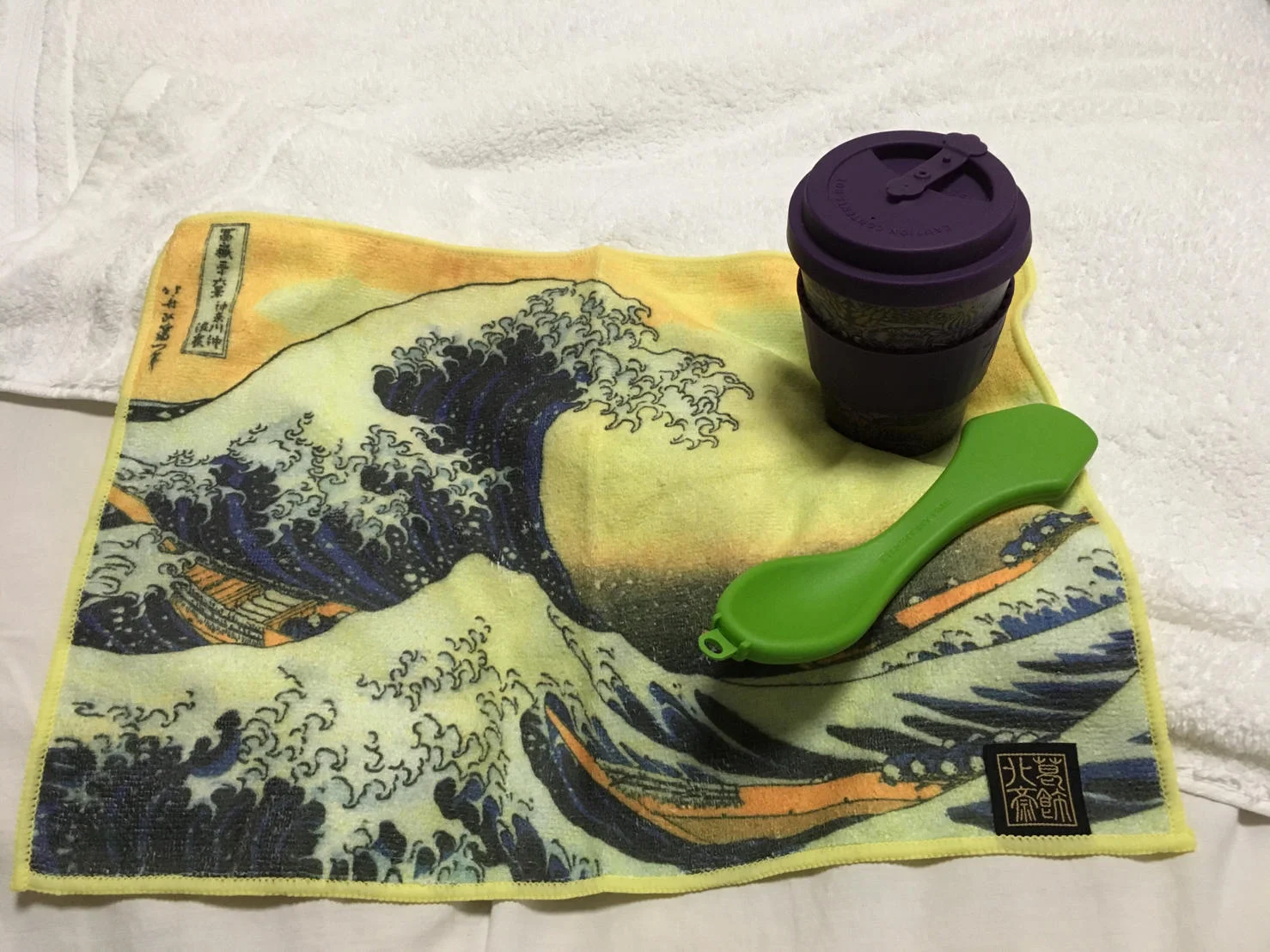
The loo with an integrated handbasin which drains into the cistern; the fifty-page guide to recycling and rubbish disposal; the tiny boxes you can put your leftover food into at a café; the handbag size hand towel you take with you to use in public loos… I saw a lot of things in Japan which we could usefully adopt in the UK.
Managing the change to sustainability
Croner-i’s “Environment” magazine asked me to share key insights from Change Management for Sustainable Development. That article is out now, in the spring edition (no. 74).
You can download it here.
Tldr:
Understand where your organisation is now…
How can business contribute to the Sustainable Development Goals?
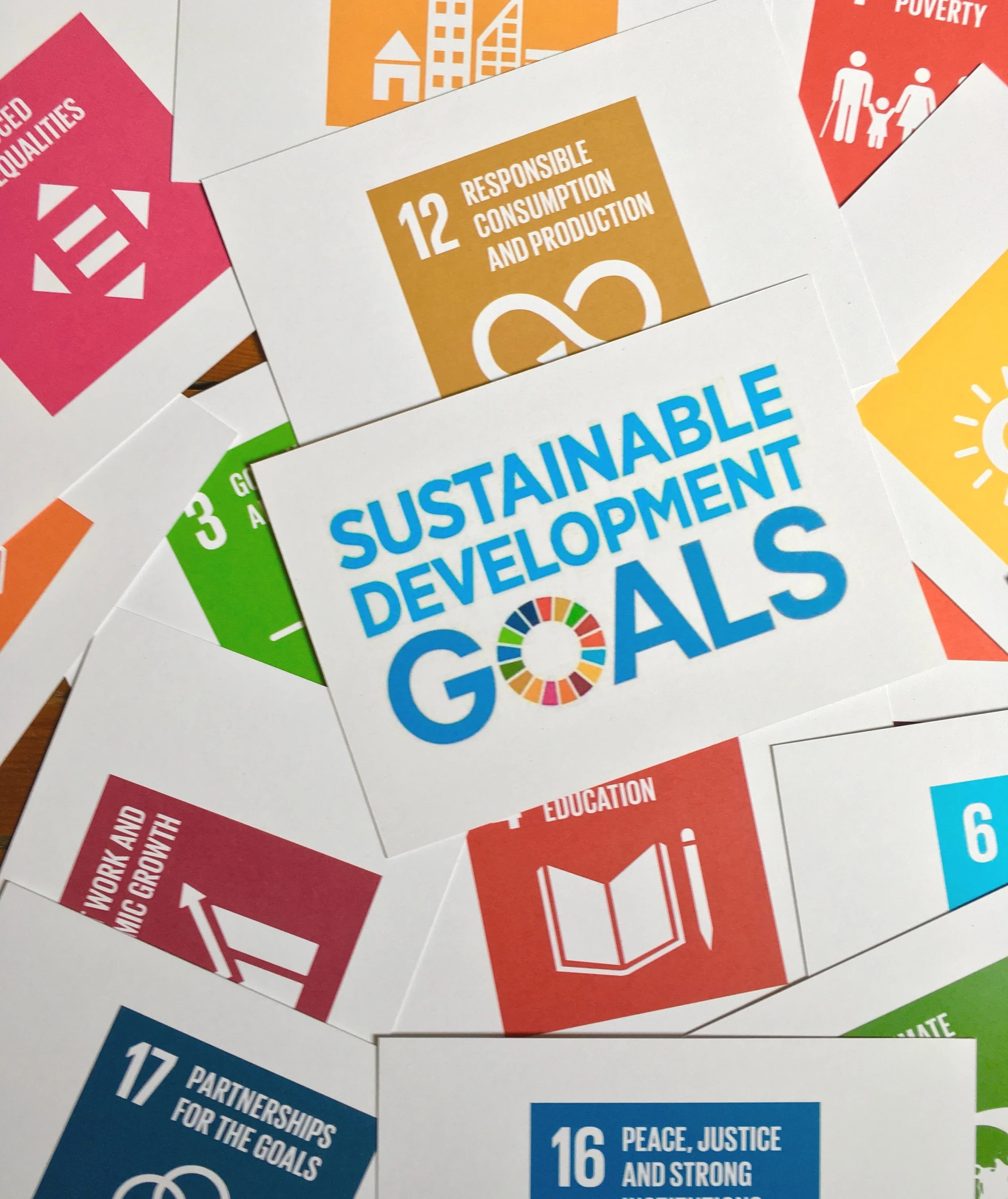
Businesses - acting alone or, better still, collaborating - can do so much to help society meet the Sustainable Development Goals (or Global Goals).
Whether it’s reducing emissions from travel and energy use, making sure women and minority groups are able to progress, or cutting unnecessary plastic, there is so much to put right. And there are organisations, tools and initiatives to help you.
Find out more in the series of articles I wrote for The Environmentalist. A complete set is available in pdf here.
A warm welcome in Kansai!
What a warm welcome I have had in Kyoto and Osaka, from facilitators based in this Kansai area of Japan.
When I knew I was going to come to Japan, to visit my daughter who is studying in Tokyo for a year, I wanted to make the most of the trip by meeting facilitation and sustainability professionals and learning more about their work in a very different cultural context.
Up in the air again
Powerful tools for stakeholder engagement
Human bingo
The 'do they really mean it?' test
Sustainability initiatives! Low-carbon innovation; gender equality; getting rid of single-use plastics; well-being.... In-house sustainability change makers and the consultants who help them are forever devising and launching initiatives and campaigns to get colleagues to do things differently. Sometimes colleagues take them up whole-heartedly and they develop a life of their own. Sometimes you get feeling people are sighing and rolling their eyes, waiting for it to fade away. What makes the difference?
Brainstorming for introverts
The business case for sustainable development
If you want sustainability to move from being a nice-to-have, to being a must-have, at some point you will need to show that there’s a business case for it: that your organisation will meet its core mission better, faster, cheaper by paying good attention to sustainability than by ignoring it.
What does the business case look like in your organisation?
What can I do, to calm the climate?
If the IPCC’s Special Report on climate change made you want to do something – anything – to calm the climate, swiftly followed by a sinking feeling that you just don’t know what is both doable and meaningful, and you’d rather not think about it…. You can do something meaningful! Here’s a great way to find your contribution.
Organising small groups within a larger event
Where are the urgent actions on climate change?
There's a place for us... Choosing a venue
Surf's up!
Our opportunities to change things can come from unexpected directions. A new CEO who wants to shake things up. A sudden upsurge of public enthusiasm for naked shampoo bars or reusable cups. A cost-cutting drive.
How can you make the most of these changes from elsewhere, and surf them expertly to get things moving in a sustainable direction?